

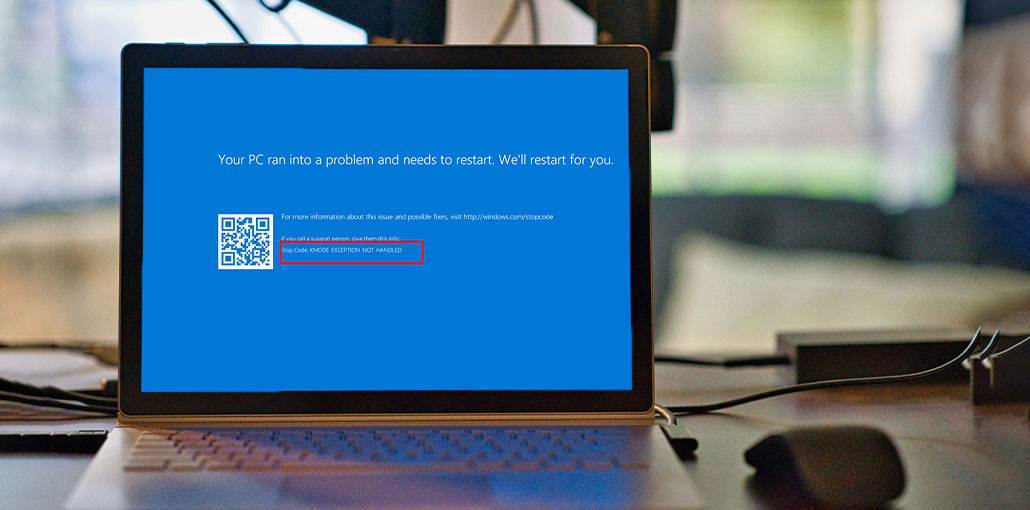
Are you a Windows user experiencing problems with the “Kmode Exception Not Handled” error? If so, this article is ideal for you. The article we’ll look into everything we can learn about this issue, like: What is it? Why is it that it happens? The most important thing is, how do we solve it? Let’s start!
What Is KMODE Exception Not Handled Error?
A Kmode Exception Not Handled error is a “System Crash” type of blue screen error code 0x0000001E, mostly affecting Windows 10 and 11. It occurs when a kernel-mode application causes an exception. But the ” Error Handler” fails to catch it. The exception handler is unable to find and solve the issue or error in plain terms.
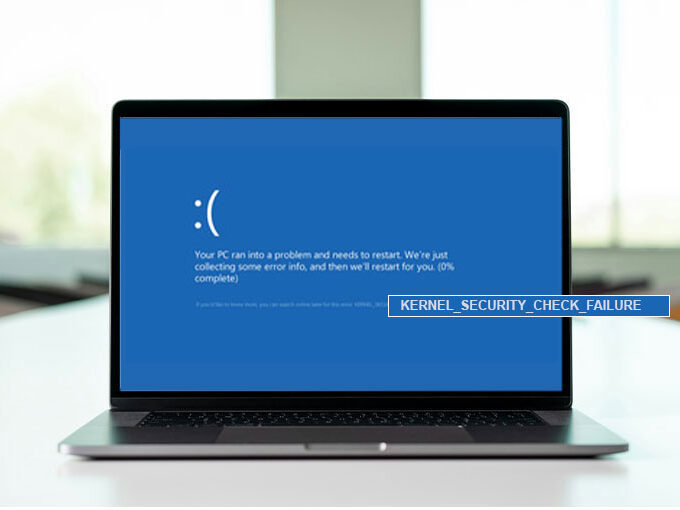
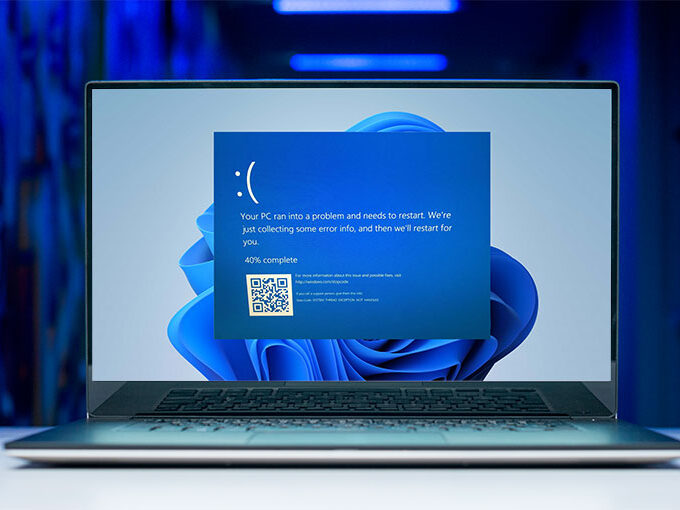
If this error occurs, the computer displays a stop code 0x0000001E. The Kmode Exception Not Handled error can cause a variety of problems, such as software shutdowns and a complete system failure, cause of the Blue Screen of Death (BSOD). This error is also known as the Blue Screen Loop error or BSOD error and is most often seen on Dell and Acer laptops.
What Causes the Kmode Exception Error in Windows?
The KMode Exception not handled error could occur due to many reasons. A few of the reasons are as follows:
- Hardware incompatibility
- A faulty device driver or system service
- Missing/corrupt system files
- Corrupt third-party antivirus program
- Problematic Windows update
- Outdated BIOS
- Faulty RAM
- CPU Voltage or Overclocking Issues
Also read: System Thread Exception Not Handled Error? 8 Easy Ways to Fix It
How to Fix Kmode Exception Not Handled Error in Windows?
There are many options to solve this. We suggest beginning with the first option, then moving to the next one if the first method isn’t working.
Disable Fast Startup
Windows 10’s Fast Startup can trigger this issue due to its speedy recovery from shutdown and hibernation. The feature will load any previously current driver problems when you boot into the operating system.
Enabling Fast Startup can increase your system’s availability and could even fix the problem.
Steps to Follow:
- Click Search on the taskbar.
- Enter Control Panel and hit Enter.
- A Control Panel window will be displayed.
- Click System and Security.
- Click Power Options.
- The left side of the pane is where you can select the Power buttons option.
- In the right pane, click on the Change settings currently accessible link.
- Within the showdown setting section, uncheck the checkbox next to the Turn on Quick Startup (recommended) option.
- Click Save Changes.
Update Drivers
Update the outdated driver to resolve the Kmode Exception Not Handled error. To identify the driver’s outdated version, the error message is displayed on the blue screen. The driver’s name is displayed in brackets, indicating who is responsible for the issue.
Once you’ve got the name(s), then update the drive automatically via drive updater software and manually on the official (manufacturer’s) website.
Steps to Follow:
- Select Search, and it will appear on the taskbar.
- Input Device Manager and hit Enter.
- It will open the Device Manager Window.
- Click the Arrowhead(>) that is placed before the Hardware corresponding driver error.
- Right-click on the device.
- From the drop-down menu, select Update driver.
- The new windows will be displayed.
- Click Search automatically for drivers.
- Give it 2 to 5 mins the process has finished.
Install Missing Drivers
If a driver is not installed or is not functioning properly, you will get the Kmode Exception Not Handled error.
Steps to Follow:
- Click on the F8 key or the Shift + F8 keys on your keyboard at the time of startup.
- From the drop-down menu, select safe mode with network option.
Once you’re in safe mode, perform these actions:
- Click the Search located on the taskbar.
- Enter Device Manager and press Enter.
- The Device Manager screen will be displayed.
- Click the Arrowhead(>>) that is placed in front of any unidentified devices and then right-click them.
- In the drop-down menu, select the Update Driver option.
- A New window will be displayed.
- Click to search automatically for drivers.
- Select the “Browse my Computer for Driver” option if you find that the ” Search automatically for drivers” option does not work.
- Install all drivers.
- You can exit the Safe Mode and verify whether the issue has been resolved.
Also read: How to Fix Driver Power State Failure in Windows 11/10
Uninstall the On/Off Gigabytes Program
Windows 11 is incompatible with the on/off Gigabyte software designed specifically for USB stations. It is therefore essential to uninstall or delete it.
Steps to Follow:
- Click Search, and it will appear on the taskbar.
- Write Add or Remove programs and hit Enter.
- In Apps > Features & features window will appear.
- In the App list section, in the Search apps field, type on/off Gigabyte and then enter.
- Select 3 vertical dots to the right side of the On/Off gigabyte option.
- Select Uninstall.
- Restart the system.
Uninstall Antivirus
The Kmode Exception Not Handled error may be caused by your antivirus program. Uninstall it to determine whether the issue is still there or not.
Steps to Follow:
- Select Search, and it will appear on the taskbar.
- Write Add or Remove programs and hit Enter.
- In the Apps > Apps and features window will find the option.
- Click the App list section in the search apps section, enter the antivirus name installed, and hit enter.
- Select 3 vertical dots just to the right of the antivirus program option.
- From the list, select uninstall.
- Restart the system.
Update BIOS
The KMODE Exception Not Handled error may emerge due to an outdated or incompatible BIOS version. So, updating the BIOS is required. However, before changing the BIOS, you should check the personalized user manual for any updated BIOS, because it differs from one system to another.
Steps to Follow:
- Start a new tab in Google.
- Type the URL of the manufacturer’s site (for your computer’s motherboard).
- On the site, you can download the latest BIOS version.
- Copyand Copy and paste the new BIOS version to the USB flash drive.
- Hold and press your shift key on the keyboard and reboot the device.
- Click Troubleshoot.
- In the Advanced settings section, select to open the UEFI Firmware Settings
- See the latest BIOS version and then install it using a USB stick.
Uninstall VPN Client
The KMODE Exception Not Handled error can also pop up due to VPN clients. If you’ve installed a VPN client running on your system, uninstall it and determine if the problem persists.
Steps to Follow:
- Open Search from the taskbar
- Type Add or Remove Programs and press Enter
- In the Apps list, search for your VPN software
- Click the three-dot menu next to it
- Select Uninstall
- Restart your computer
Adjust the CPU Voltage
After trying various methods, many Windows 10 and 11 users have found that the KMODE Exception Not Handled error was caused by CPU voltage. After they adjusted the voltage, the issue stopped coming up.
The CPU voltage can be adjusted in the Advanced Settings in BIOS. It’s an easy procedure, but you should consult an expert before doing the procedure yourself.
Also read: Why Am I Getting a CPU Fan Error? Causes and Easy Fixes
Check and Replace the RAM
The KMODE Exception Not Handled error can also transpire due to faulty RAM. Check the following steps to verify your RAM
- Click the Windows icon + R buttons on your keyboard.
- The run window will be visible in the bottom left corner.
- On the Openfield in the Openfield, in the Openfield, type mdsched.exe and press Enter.
- It will open the Windows Memory Diagnostic window.
- Choose”Restart now” and then check for issues (recommended) option.
- Follow the entire procedure to find and resolve any possible issues.
After performing all the methods stated above, if you still face the Kmode_Exception_not_handled error, it is best to replace the RAM.
Steps to Follow to Replace RAM:
- Take care when opening the system case.
- Locate the RAM modules.
- Take off the damaged component using the hinges.
- The updated module should be placed in the same spot as the previous one by using the hinges to hold it in place.
How to Prevent KMODE Exception Error
To avoid this issue in the future:
- Keep drivers updated (avoid beta versions)
- Install Windows updates regularly
- Avoid unknown or untrusted software
- Don’t overclock unless necessary
- Use reliable antivirus tools
- Perform regular system scans
Wrap Up
The KMODE Exception Not Handled error in Windows is troublesome, but it’s not that severe, as it can be solved by performing techniques such as disabling Fast Startup, updating drivers and BIOS, uninstalling the On/Off Gigabytes program, antivirus software, and VPN client, adjusting the CPU voltage, and more.
FAQs: KMODE Exception Not Handled Error
Can RAM cause KMODE Exception Not Handled ErrorCan RAM cause KMODE Exception Not Handled Error
Yes. Faulty or unstable RAM is one of the major causes of this BSOD error. Running a memory diagnostic test can help detect issues.
Does updating drivers fix KMODE Exception Not Handled Error?
Yes. In most cases, updating or reinstalling graphics, network, or storage drivers resolves the issue.
What does stop code 0x0000001E mean?
The 0x0000001E stop code is directly related to the KMODE Exception Not Handled error and indicates a system-level kernel exception failure.
Is KMODE Exception Not Handled a serious error?
Yes, it is a critical system error, but it is usually fixable and does not permanently damage hardware.
How do I stop KMODE Exception Not Handled loop?
To stop the restart loop: Boot into Safe Mode Uninstall recent drivers or software Disable Fast Startup Repair system files using SFC/DISM


Leave a comment