

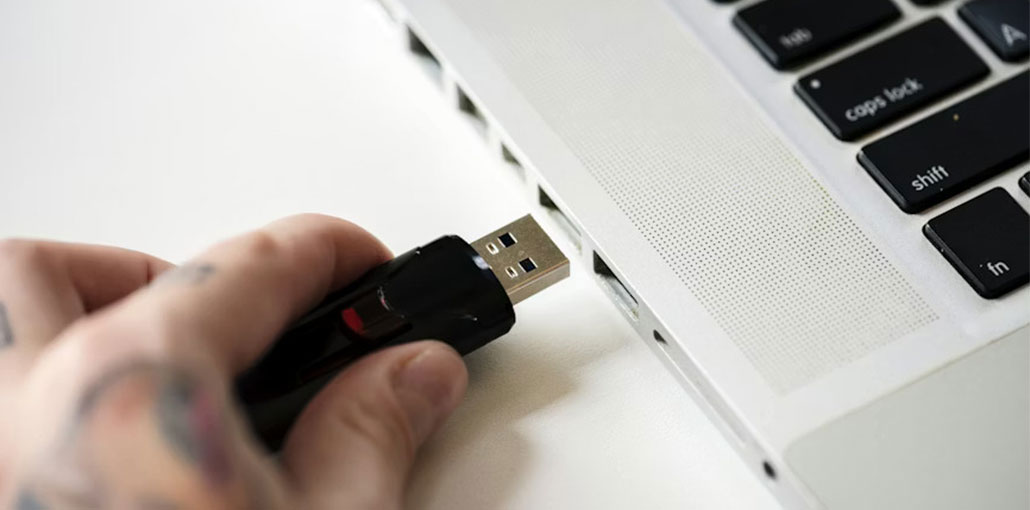
The “USB device not recognized” error message is a frequently mentioned issue on Windows boards for assistance. The whole error message states, “The final USB device you linked to this computer malfunctioned, and Windows does not understand it.” Many users encounter an error message in the system when trying to connect USB devices to their desktops.
Users can’t use their USB devices when this error occurs. Are the same errors stopping you from connecting a USB device to your computer? here are some ways to resolve the “USB device not recognized” error in Windows 10 and 11.
Quick Troubleshooting Table
| Fix # | Method | Success Rate | Time Needed | Difficulty | When to Use |
|---|---|---|---|---|---|
| 1 | Hardware Troubleshooter (msdt.exe) | 80% | 2 min | Easy | First attempt |
| 2 | Different USB Port | 65% | 1 min | Easy | Port failure |
| 3 | New USB Cable | 70% | 1 min | Easy | Cable damage |
| 4 | Reinstall Device Driver | 90% | 5 min | Medium | Driver corruption |
| 5 | Disable USB Selective Suspend | 75% | 3 min | Medium | Power disconnects |
| 6 | Root Hub Power Management | 85% | 4 min | Medium | Laptop sleep issues |
| 7 | Update USB Controllers | 88% | 10 min | Medium | Outdated drivers |
| 8 | System Restore | 95% | 15 min | Hard | After the Windows update |
How to Fix USB Device Not Recognized Error
1. Utilize the Hardware and Devices Troubleshooter
The Hardware and Devices troubleshooter is specifically designed to resolve issues with using hardware on Windows PCs. This could help resolve the issue with the “USB Device Not Recognized” error. This troubleshooter can’t be found in the Settings or Control Panel anymore, but you can access it through the Command Prompt as follows:
Steps:
- Press Windows + R, type cmd, and hit Enter.
- Run this command: msdt.exe -id DeviceDiagnostic
- Click Next to let Windows detect and fix USB issues.
- Apply all recommended solutions.
Also read: How to Fix Driver Power State Failure in Windows 11/10
2. Plug the USB Device Into an Alternative Port
A few users have solved the “USB Device Not Recognized” error by connecting their devices to a different USB port. Your PC is likely to include at least one additional USB port to which you can connect the device. Therefore, you can plug this USB gadget into one of your PC’s USB ports.
3. Connect the USB Device With a Different Cable
Some users have also confirmed that connecting USB devices using different cables solved the “USB Device Not Recognized” error that they encountered on their computers. Try it if you have an alternative USB cable that you can use for connecting your USB gadget to your PC. Check the condition of your USB cable you’re using to determine if you require an upgrade.
4. Reinstall the Driver for the Connected Device
The “USB Device Not Recognized” error message indicates that users need to reconnect devices. The resolution you are looking for is likely to be successful when you follow the extra step of removing the driver on the affected device in the hopes of reinstalling it.
5. Disable the USB Selective Suspend Setting
USB selective suspend can be a function that allows you to suspend specific USB ports when activated. It’s therefore not surprising to find that disabling this feature is a commonly-reported solution to the “USB Device Not Recognized” error.
6. Disable Power-Saving for USB Root Hubs
This issue can also arise due to the USB Power Management setting for the root hub, which lets your computer disable the connected USB peripheral when you select it. Remove the setting and allow the computer to switch off this device to conserve power.
Also read: Windows 11 Media Creation Tool: A Complete Guide to Download and Install
7. Update Drivers for USB Serial Bus Controllers
The “USB Device Not Recognized” error may be caused by incorrect or outdated USB controller drivers that are installed on your computer. You may even notice an exclamation mark next to an item in the USB Serial Bus Controllers category of Device Manager, and highlighting it as such. If so, you should try upgrading the driver for this malfunctioning USB controller device. This is described in our guide for searching for and updating old Windows drivers.
If you are unable to find an appropriate website to download a brand new USB controller driver, consider using a reliable third-party driver updater.
8. Use System Restore to Roll Back Windows
If the affected USB device was working properly when connected, a system modification could cause an “USB device not recognized” error message on your PC. In this scenario, it is possible to roll back Windows to an earlier restore point using System Restore, which could feasibly resolve the problem. If you do this, it can reverse any modifications to the system.
It all depends on the possibility of selecting a restore point before your PC’s “USB Device Not Recognized” error appears on your PC. If you can restore Windows to a previous date, it is possible. Be aware that the system restore will delete any software installed on the date you choose.
Wrap up
Numerous users have verified that these troubleshooting solutions resolve the “USB Device Not Recognized” error. Utilizing these methods is likely to resolve the “USB Device Not Recognized” error for most users. After the error has been fixed, you can then connect the USB peripheral to your Windows PC to perform the task.
FAQs: USB Device Not Recognized
What does USB Device Not Recognized mean?
This Windows error (Code 43 or similar) indicates the system detects a USB device but fails to load drivers or communicate properly, often due to corruption, power issues, or hardware faults.
Why is my USB not recognized after Windows update?
Updates like Windows 11 24H2 can conflict with chipset drivers; run Windows Update for optional drivers, update motherboard chipset from manufacturer site, or roll back the update.
USB shows in Device Manager but not File Explorer—what now?
Use Disk Management (right-click Start): right-click the drive, change drive letter, or initialize if raw—avoids data loss unlike formatting.
How to prevent USB Device Not Recognized errors?
Keep Windows/drivers updated, use Safely Remove Hardware, avoid unpowered hubs, and run sfc /scannow monthly for system integrity.


Leave a comment