


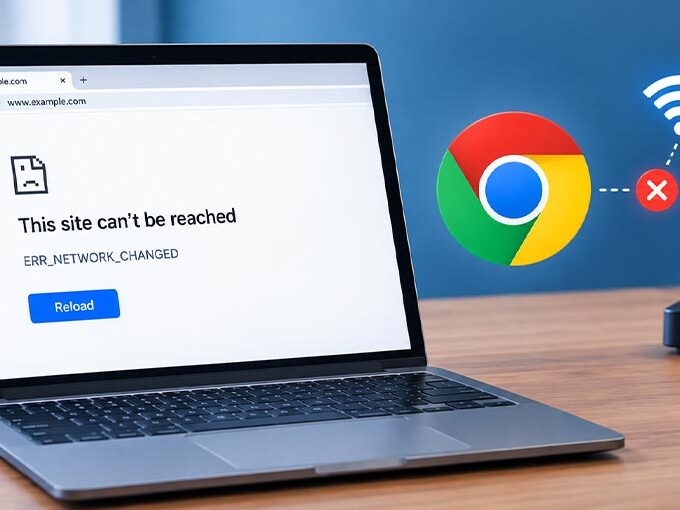
It’s frustrating to get the ” WiFi Connected but no internet Connection ” message. Particularly when you are using the internet connection to work and social media streaming to perform various internet-related tasks. The problem is much more frequent than you may think, and usually your connected device to the wifi router, or your network settings, aren’t communicating with the Internet.
In this post, we’ll look at various methods to resolve the connected to WiFi but no internet issue, understand the causes, and discover six practical solutions that work on all devices. If you’re using a smartphone, laptop, or tablet, these troubleshooting tips can help you get your connection back up and running quickly.
Why is My WiFi Connected But No Internet?
Many reasons for the Internet not working. This could be due to software issues such as different IP addresses and incorrect network settings.
- Hardware broken is also a possibility. Your network cable may break. You have an older modem or router.
- Additionally, if you have WiFi connected but no Internet available on your PC or smartphone, it could be the settings, such as changing your password or key type.
- Your provider could be involved in this. They might delay or cut off your Internet connection for a reason.
Also read: 6 Ways to Increase Slow Wi-Fi Speed
How to Fix the WiFi Connected but No Internet Problem?
Here are 5 Proven Ways to Fix the ” WiFi Connected but No Internet ” Problem :
1. Restart Your Router
Sometimes, even the top wifi routers require a refresh. Over time, they accumulate temporary data, or they experience IP conflicts that prevent internet access.
So, restarting your WiFi router eliminates IP conflicts and forces you to reconnect properly to the internet provider.
The steps to restart your wifi router:
- *Turn off your router.
- *Wait 30 ~ 1 Minutes
- Turn it back off
Following these steps, make sure you check your internet connection is back to normal. This alone will fix the problem for a variety of WiFi devices.
2. Reset Your Device’s Network Settings
Many devices contain corrupted or outdated WiFi configurations. The corrupted or out-of-date configurations can disrupt an operating network. Therefore, by changing the network settings, you can remove outdated or corrupted data and set up a clean connection.
This helps your device request an IP address change to connect more precisely and also eliminates software bugs that can cause internet blocking.
3. Check for ISP Outages
Sometimes, the WiFi device you use may not be the issue at all, since the Internet service provider may be having issues with server interruptions, maintenance, or connectivity failures.
Even if your WiFi router shows the full signal, there is no internet connection from your internet service provider. Therefore, a quick phone call or a mobile data check will verify if the issue is external.
4, Fix DNS Issues for Faster and Stable Browsing
Generally, slow or wrong DNS servers are often the cause of ” WiFi connected but no internet ” situations.
Switching to reliable DNS options like Google DNS and Cloudflare DNS can help your device resolve websites more quickly and prevent loading errors and incomplete connections. This is among the most basic but efficient ways to ensure long-term connectivity stability.
Also read: Top 5 Wi-Fi Analysis Tools Help to Connect High-Speed Internet
5, Update or Reconfigure Your Router Settings
WiFi routers may stop devices due to outdated firmware, MAC filtering, wrong security mode, or improperly configured IP ranges.
Therefore, updating your router software and checking settings like DHCP, password encryption, and device limits can help prevent disconnections. This helps keep your network safe and provides seamless access to all devices.
6. Disable VPN or Proxy
If your computer is using the VPN or proxy service, you need to disable it and verify that the internet connection has been restored. They can cause issues with internet connectivity.
Common Mistakes to Avoid
- Restarting only the device (not the router)
- Ignoring ISP issues
- Using outdated router firmware
- Keeping too many devices connected
Conclusion
Looking to fix the WiFi connected but no Internet issue doesn’t have to be a difficult task. It’s not like solving a digital mystery. Most of the time, the problem stems from simple glitches. It could be your router, device, and DNS settings. Each one can be fixed in just a few minutes once you know what you’re looking for.
An uninterrupted connection isn’t only about technology, but also about maintaining your work, entertainment, and other daily activities running without interruption. You’ve now identified the main internet connection issues. You should be ready to fix your wifi internet if this issue comes back.
FAQs: WiFi Connected But No Internet
What does WiFi connected but no internet mean?
It means your device is connected to the WiFi router, but the router is not connected to the internet. So you can access the network, but not websites or online services.
Why does my WiFi show connected but websites won’t load?
This usually indicates a DNS issue or slow/blocked internet connection. Your device is connected, but it cannot resolve or load websites.
Can a router cause WiFi connected but no internet?
Yes, routers can cause this problem due to firmware bugs, overheating, IP conflicts, or incorrect configuration settings.
Why is my phone connected to WiFi but no internet?
If your phone is connected to WiFi but no internet, it may be caused by incorrect network settings, cached data, DNS issues, or software bugs.







Leave a comment