

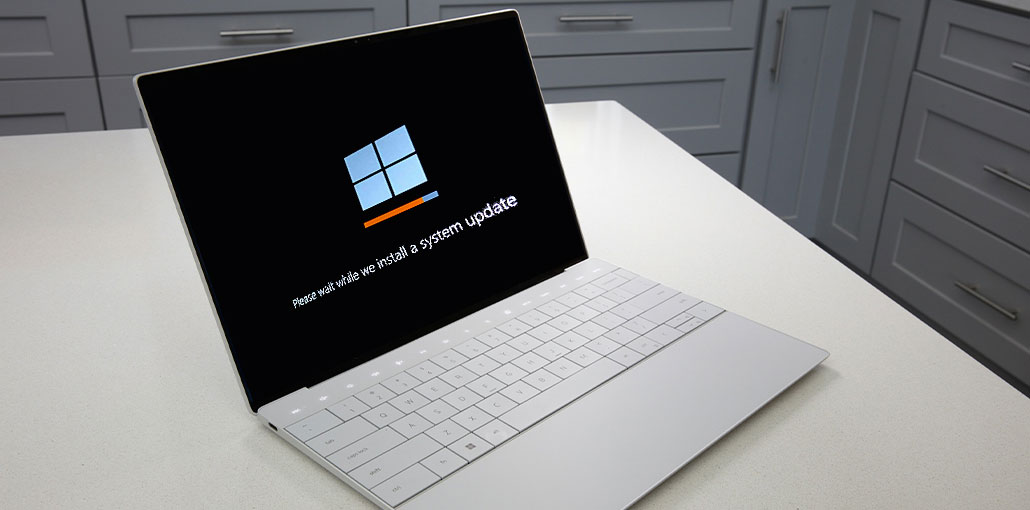
In some cases, we do not need to do anything on our Windows for it to perform its job. It can function completely automatically. It can even update automatically if the auto-update function is disabled. However, when updating your Windows to the latest Windows 10, the Windows update stuck during startup or shutdown. It may lock up, freeze, stall, or even stop. If the process of updating has been slow or is taking forever, or if you get any of the following messages, it could be that you are experiencing a Windows Update stuck issue.
- Installing update x, ensure that your computer is up to date until the process is complete.
- Getting Windows ready, keep your PC on till this is done.
Many other messages that we didn’t mention could also show on your computer’s display. If you notice one of the messages, and they’re visible on your screen for an extended duration, you may require possible solutions to solve the Windows Update Stuck Issue. We’re here to help you grow stronger mentally and emotionally. What are the causes, and 7 ways you can fix this type of Windows issue easily?
Reasons Why Windows Update Gets Stuck
The Windows Update Stuck issue could result from a myriad of reasons, but most of the time, it could be an issue with a software conflict or a problem that did not surface until you had installed a Windows update. Rarely do they occur due to an issue with a Windows glitch.
Any of the operating system issues that Microsoft has could cause the Windows Update stuck issue at 0. Consult an expert engineer to examine your computer and point out the reasons for this issue.
Also read: How to Fix Driver Power State Failure in Windows 11/10
How to Fix Windows Update Stuck Issue
1 Check Windows Update
The Windows Update stuck can be resolved by examining your Windows Update utility. It is done by opening “Settings” and clicking on “Update and Security. If something is not working, it will prompt you to try to update after some time.
If you select “Advanced Options” and “View your update history, you can see the updates successfully installed. Uninstall some of them; however, this could be a very stressful method for troubleshooting. Windows 10 has an update process that can fix a lot of errors.
2. Reboot Windows
Rebooting Windows is a common solution for Windows issues. If you find that your Windows OS has a problem, the first thing you’ll be asked to do is shut it down and then re-enable it. The reason behind this is straightforward – restarting your Windows system clears the computer’s temporary files, including any hanging or stuck processes, so that your Windows can begin from scratch.
If you are experiencing any updates that are stuck behind, you may restart your Windows normally, if you can access them. If you can’t access the OS option to turn off your computer, hold and press the power button for a few seconds to initiate an unintentional reset of your system.
3. Run Windows Update Troubleshooter
Microsoft can detect the majority of problems that could arise in a Windows Update. This is the reason why the troubleshooter is built into every one of its Windows operating systems.
Find “troubleshooting” in settings and select “Fix issues using Windows Update. This should resolve the issue with Windows update issues.
4. Restore Windows
For quite a while, System Restore has solving several Windows issues. It’s not available in Windows 10.
Go to “Control Panel”, click on System” and then “System Protection”. Click “Restore” and follow the instructions in the wizard. Select “Show more restore points,” and all available options will be shown on the display. Select the last restore point you’d like to recover your system. Once it has been restored to the system, there is a high chance of running your system normally
5. Clean Install Windows
After you have cleaned Windows, all data and files on your hard drive on which you installed the version of Windows will be deleted. It is necessary to install Windows completely. This is not an advantageous option. However, it’s a guaranteed solution for Windows update freezing and other Windows update issues.
Also read: Memory Management Blue Screen Error: 7 Quick Solutions for Windows
6. Run Antivirus
If the above solutions don’t resolve the issue, you must run an antivirus to check if the issue is a virus or malware infection. You can use Windows Defender or a reliable third-party antivirus software.
7. Run Windows in Safe Mode
Putting your computer into safe mode is similar to restarting the system. In safe mode, only the essential apps that the computer runs will be loaded into memory, meaning that it’s less likely that a damaged or defective file will hinder your Windows update. To enter safe mode on Windows 10, press and hold the Shift Key and then click “Power and Restart” on the Windows login screen.
Click on “Troubleshoot” > “Advanced Options” > “Startup Settings”, and “Restart”. Once the Safe Mode option comes up, restart the Windows update and check whether you can confirm that the Windows Update Stuck problem is gone.
Conclusion
The Windows Update Stuck issue is not something anyone plans for. When it occurs, you must take every step to resolve the Windows Update Stuck issue. Following the steps listed in the previous paragraphs, you’ll be able repair your computer before proceeding with the updates installation.
FAQs: Windows Update Stuck
How long should I wait if Windows update is stuck?
You should wait 30 minutes to 2 hours. If there is no progress after that, the update is likely frozen and needs fixing.
Is it safe to restart my PC if Windows update is stuck?
Yes, it is generally safe to restart if the update hasn’t moved for hours. Avoid restarting when you see messages like “Do not turn off your PC.”
Why is Windows update stuck at 0%?
Windows update may be stuck at 0% because of internet issues, disabled update services, or corrupted download files.
What should I do first when Windows update is stuck?
First, wait for some time, then restart your PC, and check your internet connection. These steps solve most update issues.
What is the fastest way to fix a stuck Windows update?
Running the Windows Update Troubleshooter or using the Windows Update Assistant is often the fastest solution.






Leave a comment