

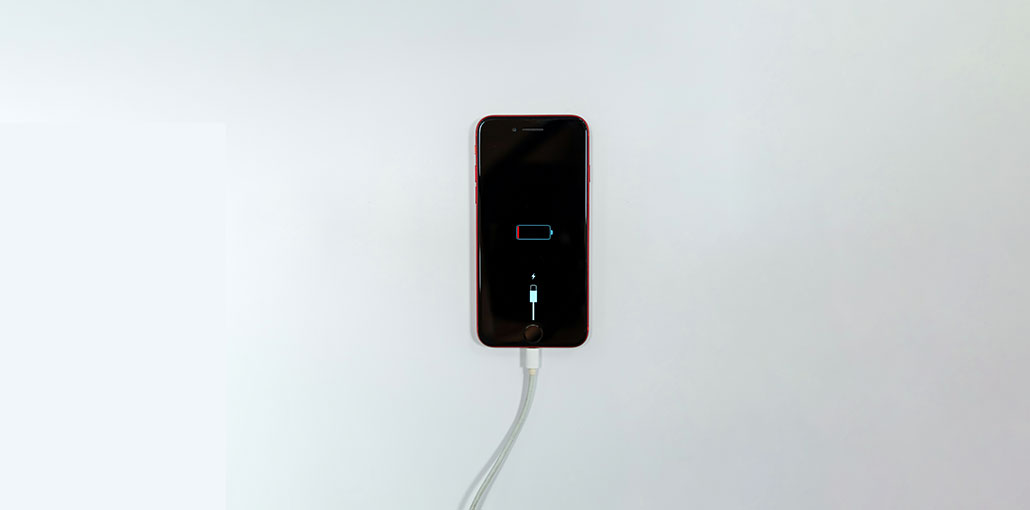
We know that you enjoy your iPhone just like everybody else, but charging issues aren’t pleasant. Are you having issues with your iPhone not charging? Do not worry, we can help you fix the issue.
What you’ll discover in this guide is the things to check first and how Apple’s charging functions behave. In addition, you’ll learn how to handle heat and other accessories if your iPhone not charging.
It is important to start with the basics. It’s not obvious, but some users say that iPhone not charging issues stem from basic problems that can be easily fixed. Take your iPhone and plug it in. It is important to use a certified cable and an Apple-recommended adapter. We’ve seen it often that people ignore this crucial advice. Place the connector in a firm position, and now it’s time to sit. You can wait at least 30 minutes before you check whether your iPhone is charged.
If you notice a temperature warning or liquid alert, you’re in the right place to be alerted. Make sure you handle it first, as charging could slow down, pause, or even be stopped until it’s secure.
Why Is My iPhone Not Charging? Common Reasons
- Dirt or dust on your USB-C and Lightning port can impede an effective connection. It is quite common for your phone to be kept in dusty or dirty places.
- Overheating can be prevented by charging the iPhone. It delays or stops charging until the phone’s temperature cools to a safe level.
- Optimized Battery Charging, or an optimum charge rate of around eighty percent, to protect the battery.
Accessory may not be supported,” and you could search for “iPhone won’t charge fix,” typically from a non- - certified, damaged, faulty, or dirty connector or cable.
- This Liquid Detected alert is another major issue that stops charging the cables until they are dry.
Also read: How to Fix iPhone Black Screen of Death (2025 Easy Guide)
How to Fix iPhone Not Charging Issue
Check Your Power, Cable, and Adapter
Before you decide that your iPhone not charging or has a serious issue, you can check your adapter.
Begin charging the phone, and then wait for 30 minutes before completing. There are instances in which you may not notice anything occurring. This is normal. The best thing to do in this situation is to use a second cable and adapter. This is to ensure that the original one you’ve used isn’t damaged.
Beware of weak USB ports and faulty power banks. They are the most likely cause of problems with the iPhone not charging.
Clean the Charging Port Safely
Put a flashlight into the port, and look for debris or lint. Most of the time, you’ll find some in the port. This is usually the reason that your iPhone is plugged in but isn’t charging. The best solution in these cases is to use a handheld dust blower or a soft dry tool to break up the dust. However, you should ensure that you don’t use any metal tools or liquids to protect the pins.
After cleaning the cable, plug it back into the box and ensure it’s secure and doesn’t move.
Restart or Force Restart Your iPhone
We’ve all heard that a simple restart can solve most issues with iPhones and other devices. This helps to highlight tiny software flaws. Additionally, a force restart is helpful if the phone freezes and the display is blank. Today, iPhone models come with Face ID. The upgraded models need a different method of forcing a restart.
But if you see your phone wake to respond, there’s one simple step to follow. It is necessary to reconnect the power supply and check if the battery’s percentage is increasing within a few minutes.
Update iOS and Check Battery Settings
Installing the latest iOS version can solve slow charging issues. Then test charging again on the same charging kit. Go to the Battery settings, select Optimized Battery Charging, and set the charge limit, which is set to around 80 percent to reduce wear.
If you need to complete a task, adjust the settings to the present time, and then switch it back on in the future to ensure long-term battery health.
Handle Liquid Detected Alerts
In this instance, if the iPhone charging cable is not working. Solving the issue requires disconnecting the cable, then tapping the phone lightly. It is important to do this while the connector is facing down. The reason behind it is to air-dry in a well-ventilated area. After you’ve tried these methods, you can try again after 30 minutes. On the opposite, if you see the same alert pop up, then there’s something you need to do. This means you should allow the cable to charge for up to 24 hours with short tests before retrying the charging process.
If your phone is compatible, you can use wireless charging while the cable is drying or faulty, as the cable will remain blocked to protect the phone, but in this case your iPhone not charge.
Handle Overheating
This is because your phone is too hot or too cold. The good thing is that it can be solved after temperatures normalize. Keep your iPhone in a cool place, remove phone cases, and keep your phone away from direct sunlight. Also, ensure you stay away from hot dashboards to restore speed.
If you are seeing “Charging On Hold,” this is a normal warning, and charging will resume after the device cools down.
Use A Wireless and MagSafe Charger
You are using Qi pads and a MagSafe charger to charge your iPhone. This charge supports up to a 20W or more USB-C power adapter featuring MagSafe and compatible models. can charge faster wirelessly.
If you put the phone in the charging port before powering the charger, the first step you must do is lift it for a few seconds before allowing it to charge at the correct speed.
Also read: Top 10 MagSafe Power Banks for Travel and Daily Use
Fix “Accessory May Not Be Supported” Alerts
This is a typical issue. This alert usually means that the item is not uncertified or damaged, or that the connector is dirty. Reseat the connector and clean it as needed. Always use Apple-branded or MFi-certified accessories.
Test using an authorized spare to verify whether the original adapter or cable is the source of the iPhone not charging issue.
Use a Different Certified Charger or Power Source
There are many reasons to look up “what to do if your iPhone not charging after an update or repair”. A frequent cause is weak or old adapters, and weak USB ports can stop charging or not start charging when under load. Connect to a wall outlet, and connect an approved 20W or greater adapter to eliminate power variability in the testing.
If charging works with your replacement device, you need to replace the defective accessory to ensure it does not waste your time later.
When to Seek Help for iPhone Not Charging Problems
If you are still facing iPhone not charging issues, you can visit the nearest Apple Store or authorized repair center. It’s because there’s no need to deal with the problem when you’ve tried a variety of certified accessories, connectors, and battery tests. This is the quickest route when you require your phone for work and want to avoid recurring issues.
Final Word — Solve the iPhone not charging issue
A functioning iPhone requires to be fully charged. If it’s not, there could be many reasons. Damaged cables or software issues could be the reason why is my iPhone not charging.
This article offers troubleshooting methods to solve charging issues. If these options do not resolve the problem, you should help from Apple Support or third-party repair services is a smart choice to find the best solution.
FAQs: iPhone Not Charging
Why is my iPhone not charging even when plugged in?
Your iPhone may not charge due to a damaged cable, dirty charging port, weak power source, overheating, or software issues. Try a certified charger and clean the port.
Why is my iPhone charging very slowly?
Slow charging is usually caused by low-power adapters, background apps, overheating, or Optimized Battery Charging limiting power.
How much does it cost to replace an iPhone battery?
Battery replacement typically costs $49–$69 USD, depending on the model and warranty status.
Can iOS bugs cause iPhone charging problems?
Yes. Updating to the latest iOS version often resolves charging-related bugs.






Leave a comment