

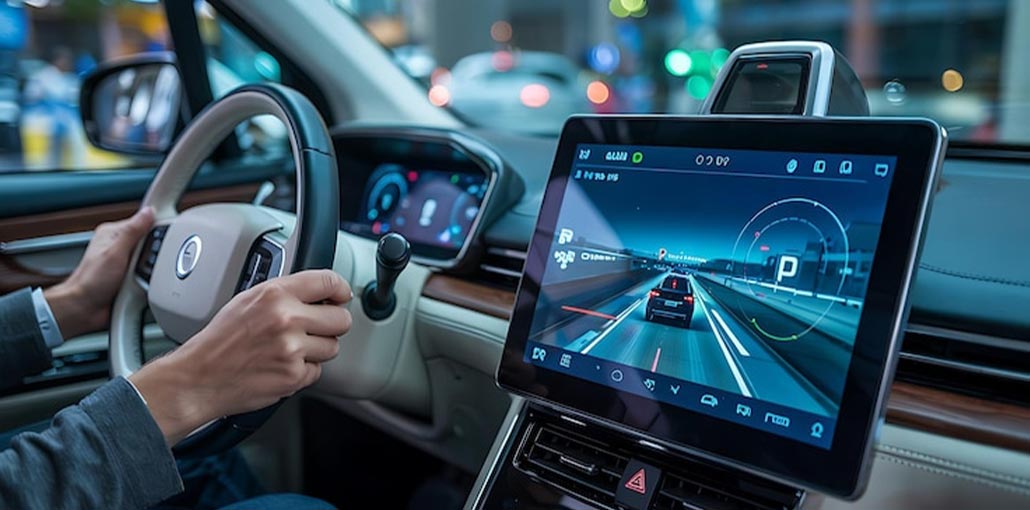
A Driver Monitoring System improves road safety by detecting driver drowsiness, distraction, and inattention. As AI use in vehicles grows, these systems are becoming an important part of modern automotive safety. In this blog, we will explore the 10 best Driver Monitoring Systems in 2026, their key features, and leading companies offering reliable driver-monitoring solutions.
What Is a Driver Monitoring System?
A Driver Monitoring System (DMS) uses in-cabin cameras, sensors, and software to assess a driver’s attention and alertness. It analyzes eye movements, head position, gaze direction, and other behavioral indicators to identify potential fatigue or distraction. Depending on the implementation, the system can trigger warnings or communicate with other vehicle safety systems to support safer driving.
Key Features to Look for in a Driver Monitoring System
When evaluating a Driver Monitoring System, consider these essential features:
- Drowsiness Detection: Identifies signs of driver fatigue and reduced alertness.
- Attention Monitoring: Tracks gaze direction and head position to identify distraction.
- AI-Powered Analysis: Uses computer vision and machine learning to interpret driver behavior.
- Real-Time Alerts: Provides audible, visual, or other warnings when necessary.
- Low-Light Performance: Uses suitable camera and infrared technology to monitor drivers in different lighting conditions.
- Vehicle Integration: Supports integration with vehicle electronics and advanced driver-assistance systems.
- Privacy and Compatibility: Considers data protection, system compatibility, and applicable safety requirements.
10 Best Driver Monitoring Systems in 2026
1. Bosch Interior Sensing
Bosch Interior Sensing analyzes vehicle occupants and cabin condition data. Its monitoring occupant presence, position, movement, posture, and attention. These functions can support occupant protection and advanced driver-assistance applications. Automotive manufacturers evaluating this Driver Monitoring System should confirm the specific driver-monitoring features available in their intended configuration.
Key Features:
- Driver drowsiness detection
- Driver distraction monitoring
- Camera-based interior monitoring
- Occupant position and presence detection
Also read: 5 Best Wireless CarPlay Adapters You Should Buy in 2025
2. PathPartner
PathPartner is software for navigation and driver-assistance applications. It uses computer vision, image processing, localization, and sensor fusion. Buyers should verify whether the specific PathPartner offering meets their Driver Monitoring System requirements, since not every driver-assistance solution provides dedicated driver attention or drowsiness detection.
Key Features:
- Computer-vision technology
- Image-processing capabilities
- Sensor-fusion technology
- Automotive software integration
3. Smart Eye
Smart Eye develops AI-based technology for automotive driver monitoring and interior sensing. Its technology can analyze eye movements, gaze direction, head position, and facial movements to assess driver attention and fatigue. These capabilities make it relevant to manufacturers seeking an AI Driver Monitoring System. Buyers should assess integration requirements, supported vehicle platforms, and the functions offered in the selected implementation.
Key Features:
- Driver attention monitoring
- Eye-gaze tracking
- Head-pose estimation
- Driver drowsiness monitoring
4. Valeo Driver Monitoring System
Valeo offers a dedicated Driver Monitoring System using an interior camera, an electronic control unit, and computer vision algorithms. Its official product information describes driver drowsiness and distraction detection, and notes potential integration into an ECU or domain controller. The system also supports scalable functions, including phone detection. It is worth evaluating for passenger cars and other supported vehicle applications.
Key Features:
- Driver drowsiness detection
- Driver distraction detection
- Facial monitoring
- Mobile phone detection
5. Antolin Driver and Occupancy Monitoring Systems
Antolin offers driver and occupant monitoring solutions designed for automotive interiors. Monitoring functions include occupant presence, seating position, driver alertness, and behavioral indicators. Depending on the implementation, these capabilities can support occupant safety and detect potential fatigue or distraction. Vehicle manufacturers should confirm available sensors, supported features, and integration options before selecting a solution.
Key Features:
- Driver-state monitoring
- Occupant presence detection
- In-cabin safety monitoring
- Driver attention monitoring, where supported
6. Continental Cabin Sensing
Continental Cabin Sensing focuses on monitoring vehicle occupants and cabin conditions using sensing technologies and software algorithms. It detects occupant presence, position, and posture, which can support occupant protection and in-cabin safety. Organizations considering this technology should verify its specific driver-monitoring capabilities and whether they meet their requirements for attention tracking and drowsiness detection.
Key Features:
- In-cabin sensing
- Occupant position monitoring
- Cabin safety applications
- Integration with vehicle electronics
7. Nauto Driver and Fleet Safety Platform
Nauto provides driver and fleet safety technology designed to help organizations address driving risks. Fleet operators can evaluate its driver-risk monitoring, distraction-related safety capabilities, and fleet management applications. Before choosing it as a Driver Monitoring System, confirm the current product features, supported hardware, availability, and suitability for the intended fleet or commercial vehicle environment.
Key Features:
- Driver distraction detection
- Drowsiness-related risk detection
- Real-time safety alerts
- Driver risk analytics and coaching
8. NXP Driver Monitoring and Occupant Monitoring Technologies
NXP Semiconductors provides automotive processing and sensing technologies that can support driver and occupant monitoring implementations. Its Driver Monitoring Systems (DMS) and Occupant Monitoring Systems category. Buyers should distinguish between enabling semiconductor technology and a complete ready-to-install system, then verify the necessary cameras, software, development support, and integration requirements.
Key Features:
- Automotive vision processing
- AI and machine-learning processing support
- Camera-based monitoring system development
- Integration with automotive electronics
9. Seeing Machines
Seeing Machines specializes in human-sensing technology for driver monitoring and operator safety. Its solutions use computer vision to assess driver attention, drowsiness, and distraction, with applications in automotive systems and commercial fleets. It is a relevant option for organizations investigating a Driver Drowsiness Detection System. Buyers should compare deployment requirements, supported applications, and available integration options.
Key Features:
- Driver alertness monitoring
- Driver distraction detection
- Eye-gaze tracking
- Head-pose monitoring
10. Tobii Driver Monitoring System
Tobii offers a dedicated driver-monitoring software solution that uses eye tracking and attention-computing technology. Its official product information describes monitoring driver distraction, drowsiness, and other potentially dangerous behaviors. The technology is designed for integration by automotive manufacturers and Tier 1 suppliers. Evaluate its performance across lighting conditions, compatibility, and integration requirements before making a purchasing decision.
Key Features:
- Eye-gaze and attention analysis
- Driver drowsiness detection
- Driver distraction detection
- Monitoring under different lighting conditions
Also read: Best Hidden GPS Tracker for Car – Complete Buyer’s Guide 2026
How to Choose the Best Driver Monitoring System
Choosing among Driver Monitoring System manufacturers requires more than comparing feature lists. Evaluate detection performance, camera quality, low-light capability, false-alert behavior, integration costs, privacy safeguards, and technical support. Fleet operators should also consider reporting requirements and scalability. Request product documentation and demonstrations, and verify that each solution supports the intended vehicle type and operating environment.
Conclusion
Choosing the right Driver Monitoring System depends on your vehicle’s needs and safety requirements. Companies like Bosch, Smart Eye, Valeo, Seeing Machines, and Tobii offer different solutions for monitoring driver attention and drowsiness. Before choosing a system, compare its features and check the official website. The right solution can help drivers stay alert and make roads safer.
FAQs: Driver Monitoring System
How does a Driver Monitoring System work?
It analyzes the driver's eye movements, head position, and facial behavior to identify potential safety risks and provide alerts when necessary.
How does an AI Driver Monitoring System improve safety?
An AI Driver Monitoring System analyzes driver behavior in real time to identify signs of fatigue or distraction, helping drivers respond to potential risks.
What is the difference between DMS and ADAS?
DMS monitors the driver's alertness and attention, while Advanced Driver Assistance Systems (ADAS) use technologies to assist with driving tasks, such as lane keeping and collision warnings.
Are Driver Monitoring Systems mandatory?
Requirements vary by country, vehicle category, and applicable regulations. Check the latest local vehicle safety requirements before purchasing or installing a system.







Leave a comment