

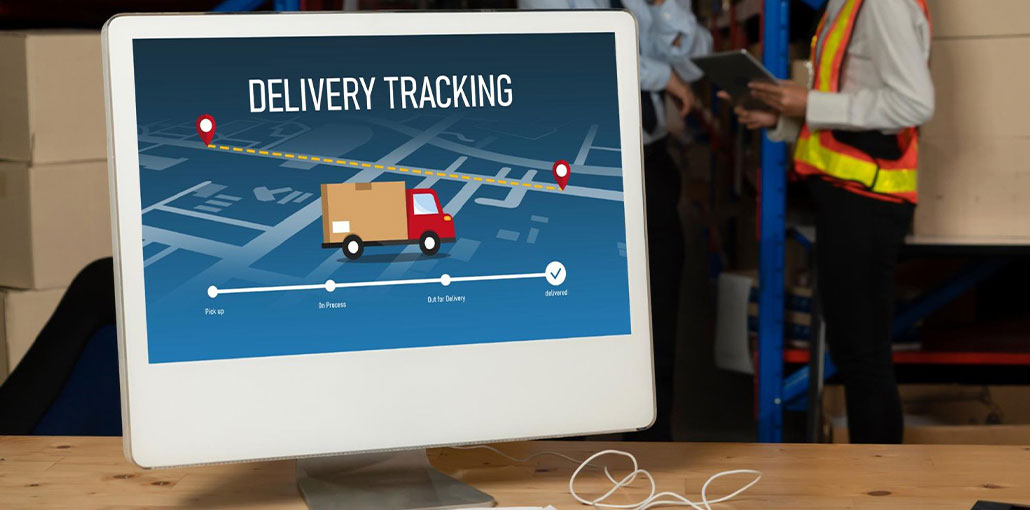
Globally, the logistics market is projected to grow from USD 12.68 trillion in 2026 to approximately USD 24.36 trillion by 2035. Amid this growth, customer expectations for speed create immense pressure.
Enterprises face compounding pain points: skyrocketing delivery costs, unpredictable routing delays, and overburdened support teams fielding constant inquiries. To regain control over outsourced fleets, operations leaders require the deep visibility provided by advanced last mile logistics tracking.
Identifying operational bottlenecks early is crucial for maintaining profitability. If dispatchers are constantly firefighting missing packages or struggling with fragmented data, your software is hindering growth. Let’s learn that recognizing these 10 warning signs is the first step toward upgrading to the robust last mile logistics tracking system essential for scaling effectively.
10 Signs It’s Time to Upgrade Your Last Mile Logistics Tracking System
Identifying operational bottlenecks early is crucial for maintaining profitability and customer satisfaction. If you recognize any of the following warning signs in your daily operations, your current software is likely hindering your growth.
1. Fragmented Visibility Across Carrier Networks
Many enterprises rely on a mix of private fleets and a massive network of courier or parcel carriers. If your team has to log in to multiple portals to see where a package is, your visibility is fragmented.
Carrier A might provide real-time GPS updates, while carrier B only provides a status update at the end of the day. A comprehensive last mile logistics tracking system must integrate these fragmented data feeds to establish a unified operational view.
Also read: Benefits Of Fleet Tracking GPS For Enhancing Customer Service
2. High “Where is My Order?” (WISMO) Call Volumes
A major red flag is an overwhelmed customer support team handling routine inquiries. When tracking systems fail to provide proactive, real-time updates, customers naturally turn to phone calls and support tickets.
Modern platforms address this by letting consumers self-serve routine enquiries through AI-driven interfaces. By implementing reliable last mile logistics tracking, businesses can significantly reduce WISMO calls.
3. Lack of Real-time “Order to Door” Visibility
If your tracking only shows generic statuses without specific location data, you are operating in the dark. True last mile logistics tracking provides continuous visibility from the moment an order is picked up at a cross-dock to the final doorstep delivery. Without this “Order to Door” visibility, you cannot accurately communicate with customers.
4. Manual and Error-prone Fleet Orchestration
Relying on manual processes to manage millions of drivers is a recipe for disaster. If your dispatchers are manually assigning routes or calling drivers for status updates, you are losing valuable time.
Upgrading to a last mile logistics tracking system that uses AI for driver assignment and real-time travel time prediction can drastically reduce load-out times.
5. Significant Deviations from Planned Service Times
When your actual route durations are significantly higher than planned, it leads to overtime costs and driver complaints. Legacy systems often use static service times that do not account for reality.
Implementing intelligent service time models within your last mile logistics tracking reduces route deviations, ensuring that your planned schedules actually match what happens on the road.
6. High Delivery Failure Rates at Specific Stops
Does your team repeatedly fail to deliver at the same locations? Without historical data analysis, you cannot identify “high-risk” stops. Advanced last mile logistics tracking can flag stops where delivery failures have occurred in the past, allowing drivers to call ahead or follow special instructions to ensure success.
7. Difficulty Managing Big and Bulky or White-glove Deliveries
Handling specialized deliveries, like high-end appliances or furniture, requires more than just a location ping. These orders often require two-person teams, specific handling tools and in-home services.
If your current last mile logistics tracking system cannot manage the unique requirements of white-glove carriers, you risk damaging expensive inventory.
8. Inefficient Territory and Capacity Planning
If your network planners are spending too much time on manual capacity forecasting, your system is outdated. Modern digital twin technology allows for territory and cost planning that significantly reduces manual effort.
An upgraded last mile logistics tracking system should accurately predict cost-per-delivery and maintain an optimal number of trucks across all territories.
9. Lack of Automated Proof-of-Delivery (PoD) Auditing
Manually reviewing thousands of signatures and delivery photos is impossible at scale. If your team only audits a small fraction of PoDs, you are vulnerable to fraud and disputes.
You can automate the auditing of electronic PoDs by upgrading to an intelligent audit feature powered by last mile logistics tracking. As a result, your team can rely on image recognition to catch non-compliant or suspicious signatures without manual effort.
10. Rising Costs Per Delivery
Perhaps the most telling sign of an aging system is a steady increase in delivery costs despite growing volumes. Inefficient routing leads to empty miles and low resource utilization. Implementing AI-powered last mile logistics tracking can lead to fleet cost reduction by optimizing territory planning and increasing vehicle utilization.
Also read: A Step-by-Step Guide: Implementing Courier Delivery Software for Optimal Efficiency
How to Choose the Right Last Mile Logistics Tracking System?
To address these signs, enterprises must seek a comprehensive suite of last mile logistics tracking features that go beyond simple location dots on a map. A modern last mile logistics tracking system should integrate the following capabilities:
Capacity Forecasting
Forecast capacity requirements in advance to accurately predict cost per delivery based on volume forecasts.
Dynamic Route Optimization
Save on miles driven and create optimized routes faster by factoring in traffic, SLAs, vehicle capacity and driver skills.
Rate-based Carrier Selection
Select the best carrier in real time using rate shopping and performance metrics to reduce delivery costs.
Seamless Tracking and Delivery Execution Powered by AI
Cut load-out time, track the chain of custody and utilize an AI-powered control tower to generate insights on delays and long halts.
Intelligent Audit and Debriefing
Automate electronic PoD auditing using validation via OTP or image recognition to detect suspicious signatures. This ensures compliance and provides actionable feedback to drivers.
Exceptional Customer Support
Cut WISMO calls and let consumers self-serve routine enquiries.
Branded Tracking Portals
Give customers real-time tracking with your brand front and center, powered by AI-driven ETAs to reduce missed deliveries.
Effortless Delivery Scheduling
Offer customer delivery slots in real-time, using AI to manage slot availability based on fluctuating demand and fleet capacity.
Upgrade Your Last Mile Logistics Tracking System Today
The demands placed on enterprise fulfillment networks will only intensify as consumer expectations continue to accelerate. Fast, reliable and transparent delivery is now a core requirement for remaining competitive in virtually any industry.
Enterprises invest heavily in tracking technology to protect brand reputation and stabilize operating costs. By mastering the final leg of fulfillment with technology partners such as FarEye, logistics leaders establish visibility as the absolute foundation of their operational control.
This partnership allows supply chain executives to eliminate expensive blind spots and improve daily efficiency across fragmented global markets. Organizations can confidently scale complex delivery networks, knowing they have the specialized tools needed to deliver on every customer promise and build lasting brand loyalty.
FAQs: Logistics Tracking System
What is last mile logistics tracking?
Last mile logistics tracking is the real-time monitoring of a shipment from the distribution hub to the final customer delivery point, ensuring visibility and control.
Why is last mile tracking important for businesses?
It improves delivery accuracy, reduces delays, lowers operational costs, and enhances customer satisfaction through real-time updates.
What is real-time order tracking in last mile logistics?
Real-time order tracking provides continuous updates on shipment location and status from dispatch to final delivery.
Can last mile logistics tracking reduce failed deliveries?
Yes, by using accurate ETAs, customer notifications, and predictive analytics to ensure successful first-attempt deliveries.







Leave a comment