

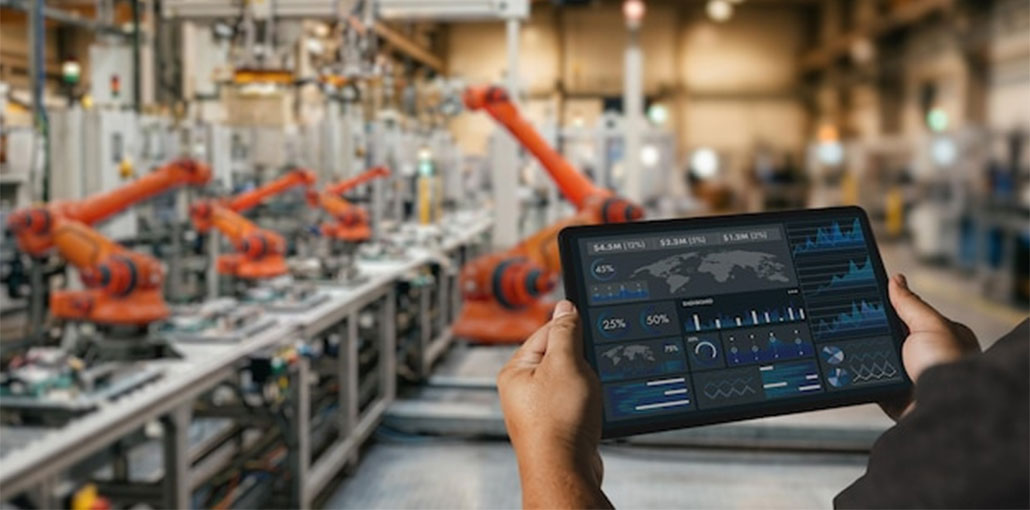
Manufacturing companies manage materials, production schedules, work orders, inventory, and daily operations. Managing these tasks manually can lead to delays and errors. Production management software brings these activities into one place, helping teams plan production, track work, and manage resources more efficiently. In this guide, we compare 10 popular production management software solutions, their features, pros and cons, pricing, and ideal use cases.
What Is Production Management Software?
Production management software is a digital solution that helps manufacturers plan, organize, execute, and monitor production activities from one centralized platform.
A modern production management system connects production planning, scheduling, inventory, work orders, BOMs, material requirements, quality control, and reporting. It replaces disconnected spreadsheets and helps teams coordinate resources more efficiently.
What Does Production Management Software Do?
The main purpose of production management software is to give manufacturing teams better control over daily operations.
- Production planning
- Production scheduling
- Work order management
- Bill of materials (BOM)
- Inventory management
- Material requirements planning
- Shop-floor tracking
- Quality management
- Reporting and analytics
Benefits of Production Management Software
A good production planning software solution can help manufacturers:
- Plan better: Match demand with materials, capacity, and resources.
- Schedule faster: Assign jobs and resources efficiently.
- Improve visibility: Track orders, inventory, and production progress.
- Control inventory: Reduce shortages and excess stock.
- Reduce delays: Identify bottlenecks earlier.
- Make better decisions: Use production data and reports.
Also read: What Are Production Resource Tools? Benefits & Best Software
10 Best Production Management Software
The right production management software solution depends on the size of your business, manufacturing process, budget, and operational requirements. The following platforms cover different manufacturing needs, from SME-focused MRP systems to enterprise manufacturing solutions.
1. ERPNext Manufacturing
ERPNext Manufacturing is an open-source ERP solution with tools for production planning, BOMs, work orders, job cards, inventory, purchasing, and quality management. For businesses looking for production management software with broader ERP functionality, ERPNext provides a flexible option.
Because manufacturing works alongside accounting, sales, purchasing, and inventory modules, businesses can manage several connected processes from one system.
Key Features
- BOM and work order management
- Production planning
- Material requests
- Inventory management
- Workstations
- Quality management
- Manufacturing reports
Pros
- Open-source
- Highly customizable
- Broad ERP functionality
- Suitable for SMEs
Cons
- Technical expertise may be required
- Customization can add complexity
Pricing
ERPNext itself is free/open-source. Frappe Cloud hosting starts at $5/month (₹410/month); implementation is separate.
Best for
Small and mid-sized manufacturers seeking flexible, open-source ERP software.
2. Odoo Manufacturing
Odoo Manufacturing is part of the larger Odoo business management platform. It supports manufacturing orders, BOMs, work centers, production planning, work orders, quality, maintenance, and shop-floor operations.
Its modular approach allows manufacturers to connect production with inventory, purchasing, sales, accounting, and other business activities. This makes it useful for companies that want to manage more than just production from one platform.
Key Features
- Manufacturing orders
- BOM management
- Work centers
- Production planning
- Shop-floor control
- Quality management
- Inventory integration
Pros
- Modular platform
- Wide range of applications
- Strong integrations
- Scalable
Cons
- Customization can increase costs
- Implementation requires planning
Pricing
Standard: $24.90/user/month; Custom: $49/user/month when billed yearly. Odoo also offers a One App Free plan.
Best for
Growing manufacturers wanting an integrated business management platform.
3. MRPeasy
MRPeasy is focused mainly on small and mid-sized manufacturers. It combines production planning, scheduling, inventory, purchasing, BOMs, work orders, and MRP in one platform.
The system helps manufacturers manage material requirements and production activities without the complexity of a large enterprise ERP. It is a practical choice for businesses that need core production management software capabilities with a manufacturing-focused approach.
Key Features
- MRP
- Production scheduling
- BOM management
- Work orders
- Inventory management
- Purchasing
- Shop-floor management
Pros
- Manufacturing-focused
- Cloud-based
- Easy to use
- Suitable for smaller businesses
Cons
- Limited for highly complex enterprises
- Advanced needs may require additional tools
Pricing
Starter: $49/user/month, Professional: $69/user/month, Enterprise: $99/user/month, Unlimited: $149/user/month.
Best for
Small and growing manufacturers needing cloud-based MRP.
4. Katana
Katana is a cloud-based manufacturing platform focused on production, inventory, purchasing, and operational visibility. It provides tools for manufacturing orders, BOMs, inventory tracking, and shop-floor activities.
Its cloud approach makes it convenient for growing businesses that want production and inventory information available across teams without managing complex infrastructure.
Key Features
- Visual production planning
- Real-time inventory
- Manufacturing orders
- BOMs
- Purchasing
- Sales order management
- Shop-floor control
Pros
- User-friendly interface
- Real-time inventory visibility
- Cloud-based
- Useful integrations
Cons
- Limited for advanced enterprise requirements
- Costs can increase with additional needs
Pricing
Free plan available for a limited setup; Core starts at $299/month.
Best for
Small and growing manufacturers prioritizing usability and inventory visibility.
5. TranZact
TranZact is a manufacturing management platform aimed particularly at small and mid-sized businesses in India. It covers production, inventory, purchasing, sales, materials, and related workflows.
The platform focuses on bringing everyday manufacturing activities into a connected system, making it easier for teams to track production status, materials, and work orders.
Key Features
- Production management
- Inventory tracking
- BOM management
- Purchase management
- Sales management
- Business reports
- Workflow management
Pros
- Designed for Indian businesses
- Supports manufacturing workflows
- Multiple business functions
- Suitable for SMEs
Cons
- Advanced enterprise needs may require other tools
- Features vary by plan
Pricing
Pricing varies according to the selected plan and business requirements.
Best for
Indian SMEs looking for integrated production and business management.
Also read: Top 10 Shipping Software for Growing eCommerce Businesses
6. Epicor Kinetic
Epicor Kinetic is a manufacturing-focused ERP built for businesses with more complex production requirements. It supports MRP, scheduling, job management, inventory, quality, and shop-floor activities.
It can support manufacturing models such as make-to-stock, make-to-order, configure-to-order, and engineer-to-order, making it relevant for manufacturers with varied production processes.
Key Features
- Advanced planning and scheduling
- Production management
- MRP
- BOM management
- Shop-floor management
- Quality management
- Supply chain management
Pros
- Comprehensive manufacturing capabilities
- Supports complex operations
- Strong ERP functionality
- Advanced planning tools
Cons
- Implementation can be complex
- May be excessive for smaller manufacturers
Pricing
Epicor generally provides customized pricing based on deployment, users, modules, and implementation.
Best for
Mid-sized and large manufacturers with complex operations.
7. SAP Digital Manufacturing
SAP Digital Manufacturing connects shop-floor activities with enterprise planning and logistics. It supports manufacturing execution, production scheduling, monitoring, quality, analytics, and production insights.
The platform is especially relevant for organizations that already use SAP or need close integration between enterprise systems and manufacturing operations.
Key Features
- Manufacturing execution
- Production operations
- Shop-floor visibility
- Quality management
- Production analytics
- Digital work instructions
- SAP integration
Pros
- Strong enterprise integration
- Advanced manufacturing capabilities
- Cloud-based
- Detailed production visibility
Cons
- Can be complex to implement
- Better suited to larger organizations
Pricing
SAP India currently lists ₹27,555/month per Resource for the production service. A test tenant is ₹638,357/month.
Best for
Large manufacturers seeking enterprise-level digital manufacturing capabilities.
8. Infor CloudSuite Industrial
Infor CloudSuite Industrial is a cloud ERP platform designed for manufacturing and industrial businesses. It combines production planning, MRP, inventory, supply chain, quality, shop-floor operations, and business management.
It is suited to manufacturers that need broader operational control along with manufacturing functionality, particularly where processes span multiple locations or business units.
Key Features
- Production planning
- Production scheduling
- MRP
- BOM management
- Inventory management
- Quality management
- Supply chain management
Pros
- Comprehensive manufacturing ERP
- Supports complex production
- Strong supply chain capabilities
- Suitable for growing organizations
Cons
- Implementation can require significant resources
- May be complex for smaller businesses
Pricing
Pricing varies according to users, modules, deployment, and implementation.
Best for
Mid-sized and enterprise manufacturers with complex processes.
9. Asprova
Asprova is specialized production scheduling software focused on advanced planning and finite-capacity scheduling. Its main purpose is to help manufacturers organize production sequences, resources, and capacity more effectively.
It can also integrate with existing ERP systems, making it useful for companies that already have core business software but need stronger scheduling capabilities.
Key Features
- Advanced production scheduling
- Capacity planning
- Constraint management
- Material planning
- Production visualization
- What-if analysis
- ERP integration
Pros
- Strong scheduling capabilities
- Handles complex constraints
- Supports capacity planning
- Useful scheduling analysis
Cons
- Primarily focused on planning and scheduling
- May require ERP integration
Pricing
Pricing depends on licensing, deployment, and business requirements.
Best for
Manufacturers needing advanced production scheduling and capacity planning.
10. Siemens Opcenter
Siemens Opcenter is a manufacturing operations management platform covering MES, production planning and scheduling, quality, analytics, traceability, and shop-floor operations.
It is designed for manufacturers that need detailed visibility into production processes. The platform connects manufacturing execution with planning and quality activities, making it relevant for complex production environments.
Key Features
- Manufacturing execution
- Production planning
- Quality management
- Production tracking
- Traceability
- Manufacturing intelligence
Pros
- Advanced manufacturing capabilities
- Strong production visibility
- Supports traceability
- Broad digital manufacturing ecosystem
Cons
- Can be complex for smaller businesses
- May require specialist implementation
Pricing
Pricing varies according to products, users, deployment, and implementation.
Best for
Large manufacturers requiring advanced manufacturing operations management.
Also read: 10 Ways Production Tracking Software Can Prevent Supply Chain Delays
Production Management Software Comparison
| Software | Starting Price | Best Suited For | Main Features |
|---|---|---|---|
| ERPNext | Free + hosting | Small & mid-sized manufacturers | BOM, Work Orders, MRP, Inventory |
| Odoo Manufacturing | $24.90/user/month | Growing businesses | Manufacturing, Planning, Quality, Inventory |
| MRPeasy | $49/user/month | Small manufacturers | MRP, Scheduling, BOM, Work Orders |
| Katana | From $299/month | Growing manufacturers | Production, Inventory, Purchasing |
| TranZact | Varies | Indian SMEs | Production, Inventory, Sales, Purchasing |
| Epicor Kinetic | Custom | Complex manufacturing | MRP, Scheduling, Shop Floor, Quality |
| SAP Digital Manufacturing | Custom | Large manufacturers | MES, Analytics, Quality, Shop Floor |
| Infor CloudSuite Industrial | Custom | Mid-sized & enterprise manufacturers | MRP, Planning, Inventory, Supply Chain |
| Asprova | Custom | Advanced scheduling | Scheduling, Capacity Planning, What-if Analysis |
| Siemens Opcenter | Custom | Complex production environments | MES, Quality, Traceability, Production Tracking |
Key Features to Look for in Production Management Software
The right production management software should fit your manufacturing process, not just offer a long list of features. Here are the key areas to consider:
Production Planning & Scheduling
Plan what to produce, when to produce it, and how to allocate resources. Good scheduling tools also help manage priorities and capacity.
Inventory & BOM Management
Track raw materials, work in progress, finished goods, and the components each product requires through accurate bills of materials (BOMs).
Work Order & Shop-Floor Management
Create, assign, and track production jobs while giving teams visibility into machine activity, work progress, and work-center performance.
Quality Management
Record inspections, manage quality issues, and maintain consistent production standards.
Reporting & Analytics
Use dashboards and reports to monitor production output, delays, inventory usage, costs, and other important KPIs.
Integrations & Automation
Look for integrations with accounting, purchasing, CRM, warehouse, and e-commerce systems. Automation can also reduce manual updates, calculations, alerts, and approvals.
How to Choose the Right Production Management Software
Start by identifying your biggest production challenges. You may need better scheduling, inventory control, BOM management, or work order tracking.
Then make a list of must-have features based on your company size and production complexity. Smaller manufacturers may need basic planning and inventory tools, while larger operations may require advanced scheduling, MES, multi-site support, analytics, and traceability.
Before choosing a platform, consider:
- Manufacturing requirements
- Required features
- Ease of use and implementation
- Integrations
- Scalability
- Total cost
- Customer support
- Trial or demo availability
Finally, test the software with a real production workflow whenever possible. A system can look great in a demo, but what matters is how well it works for your team day to day.
Final Thoughts
The right production management software can simplify planning, scheduling, inventory, and shop-floor operations. ERPNext and Odoo suit integrated business needs, while MRPeasy, Katana, and TranZact target smaller manufacturers. Epicor, SAP, Infor, Asprova, and Siemens address complex operations. Compare features, pricing, scalability, and integrations, then request a demo to find the best fit for your production workflow.
FAQs: Production Management Software
What is the difference between production management and manufacturing software?
Production management software focuses on planning, scheduling, work orders, inventory, and production tracking. Manufacturing software can be broader and may also include ERP, MES, quality, maintenance, and supply chain functions.
Is production management software suitable for small businesses?
Yes. Many solutions are designed for small and mid-sized manufacturers and offer simpler workflows, cloud-based access, and scalable features.
How much does production management software cost?
Pricing varies by software, users, features, and deployment. Some platforms offer free or open-source options, while others use monthly subscriptions or custom pricing.
What types of manufacturers use production management software?
It can be used by manufacturers across industries, including discrete manufacturing, process manufacturing, food production, electronics, automotive, machinery, and consumer goods.







Leave a comment